
Cord-Cutting in Canada: What to Know Before You Ditch Cable in 2026
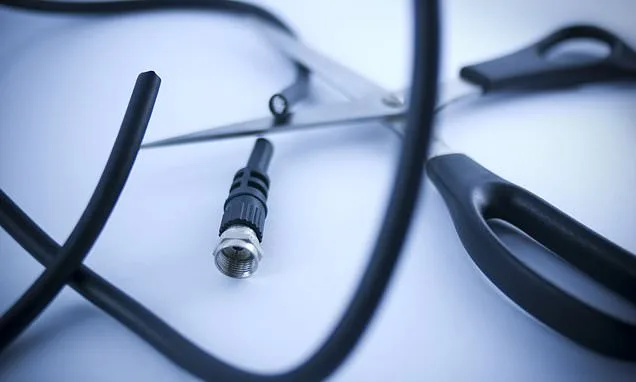
Canadians are walking away from traditional cable in record numbers, and it is not hard to see why. Between rising monthly bills, rigid channel bundles full of stations nobody watches, and long-term contracts with hidden fees, the old cable model feels increasingly out of step with how people actually consume television. If you have been thinking about cutting the cord this year, here is a practical look at your options and what to weigh before making the switch.
The first thing to understand is that “cord-cutting” no longer means giving up live TV. A few years ago, dropping cable meant losing access to live sports, news, and local channels. Today, streaming technology has closed most of that gap. You can watch live broadcasts, on-demand libraries, and international programming over a standard internet connection, often on the same TV you already own.
Your options generally fall into three buckets. Traditional streaming services like Netflix, Disney+, and Amazon Prime are excellent for on-demand movies and series, but they were never designed to replace live television. Skinny bundles from Canadian telecoms offer a smaller selection of live channels at a lower price than full cable, though they still tend to lock you into the same providers you were trying to escape. The third option, IPTV, delivers live channels and video-on-demand through the internet rather than a cable line, which is why it has become popular with cord-cutters who still want a broad channel lineup without the cable-company overhead.
Before you commit to any service, run through a short checklist. Check your internet speed first, since reliable streaming in HD generally needs a stable connection of at least 25 Mbps. Confirm device compatibility, because the best service is useless if it will not run on your TV, phone, or streaming box. Look for a trial or a short commitment period so you can test picture quality and channel reliability before paying for a full year. And read the fine print on what is actually included, as advertised channel counts do not always match what you get.
Reliability matters more than raw channel numbers. A service advertising thousands of channels is not helpful if streams buffer during peak hours or key channels drop out during a big game. When comparing providers, prioritize consistent uptime, responsive customer support, and clear, honest descriptions of what is on offer. Reading independent reviews and testing the service yourself will tell you far more than any marketing claim.
For Canadian viewers specifically, it is worth choosing a provider that understands the local market, including the channels and content Canadians actually want. Services built with a Canadian audience in mind, such as IPTV Canada Sub, tend to offer more relevant lineups than generic international options.
Cutting the cord in 2026 is easier and more flexible than ever. Take your time, test before you buy, and choose based on reliability rather than hype. Do that, and you will likely wonder why you waited so long.