
How Homeowners Can Make Smarter Roof Decisions Before Problems Spread
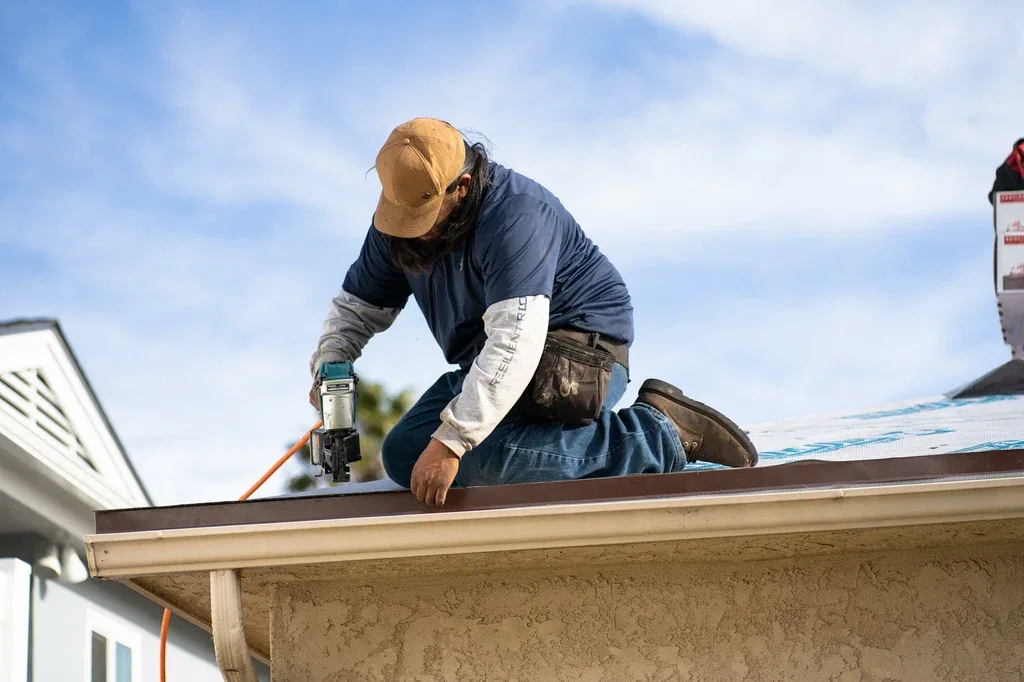
A roof is easy to overlook until a leak, storm, or missing shingle forces it into focus. For homeowners, the smartest approach is to understand roof care before small issues become expensive repairs. With the right inspection habits, material choices, and contractor questions, you can protect both your home and your budget.
Why Roof Planning Matters More Than Emergency Repairs
Many homeowners only think about roofing after water stains appear on a ceiling or shingles land in the yard after a storm. By that point, the problem may already involve decking, insulation, gutters, or interior finishes.
A proactive plan helps you spot early warning signs and make decisions without pressure. It also gives you time to compare options, understand warranties, and schedule work during a practical season rather than during an urgent situation.
In areas with heat, humidity, wind, and sudden storms, roof systems work hard year-round. Shingles, flashing, vents, sealants, and gutters all need to function together. When one part fails, the rest of the system can be affected.
Common Signs Your Roof Needs Attention
You do not need to climb onto your roof to notice potential concerns. In fact, many early signs can be spotted safely from the ground or inside the home.
Look for:
- Shingles that are cracked, curling, loose, or missing
- Dark streaks, uneven color, or worn-looking sections
- Granules collecting near downspouts
- Water stains on ceilings or attic decking
- Sagging areas along the roofline
- Rusted or separated flashing around chimneys and vents
- Gutters that overflow, pull away, or drain poorly
One sign does not always mean you need a full replacement. However, it does mean the roof should be evaluated before the issue spreads.
Repair or Replace: How to Think Through the Choice
A repair may be enough when damage is limited to a small area, the roof is still relatively young, and the surrounding materials remain in good condition. Replacement may make more sense when problems are widespread, the roof is near the end of its service life, or repeated repairs are becoming routine.
Homeowners should consider several factors:
Age of the Roof
Every roofing material has an expected lifespan, but local weather, installation quality, ventilation, and maintenance can shorten or extend it. An older roof with frequent leaks may not be worth patching again and again.
Extent of Damage
A few missing shingles after a storm may be repairable. Widespread lifted shingles, soft decking, or recurring leaks suggest a deeper issue.
Long-Term Value
A new roof can improve curb appeal, reduce future repair stress, and help protect the structure beneath it. The best decision is not always the cheapest immediate option; it is the one that solves the problem responsibly.
What to Ask Before Hiring a Roofing Contractor
Choosing a contractor is just as important as choosing materials. A quality roof depends on proper installation, clear communication, and accountability from start to finish.
Before agreeing to work, ask questions such as:
- Are you licensed and insured for this type of project?
- How will you inspect the roof and explain your findings?
- What materials do you recommend, and why?
- What does the warranty cover?
- How will cleanup and debris removal be handled?
- Who will supervise the project?
- What happens if hidden damage is found?
For homeowners comparing local exterior professionals, resources focused on roofing Peachtree City can provide useful context on what a full-service roofing and exterior company may offer, including inspections, roof replacement, repairs, gutters, siding, and storm-related support.
Why the Whole Exterior System Matters
A roof does not protect a home by itself. Gutters, siding, soffits, fascia, ventilation, and flashing all contribute to moisture control and long-term performance.
For example, clogged or undersized gutters can push water back toward the roof edge. Poor attic ventilation can trap heat and moisture, weakening shingles from below. Damaged siding can allow water intrusion even when the roof itself is sound.
That is why a good inspection should look beyond the surface layer of shingles. The goal is to understand how the entire exterior is managing water, heat, airflow, and weather exposure.
Storm Readiness and Seasonal Maintenance
Storm damage is not always obvious immediately. Hail, wind, and falling branches can create small openings that grow over time. After major weather events, homeowners should walk the property and look for visible signs of damage, such as displaced shingles, dented gutters, loose flashing, or debris impact.
Seasonal maintenance also helps reduce risk. Keep gutters clear, trim branches away from the roofline, check attic spaces for moisture, and address small leaks promptly. These habits do not replace professional inspections, but they help homeowners catch issues earlier.
Conclusion: Better Roof Decisions Start With Awareness
A roof is one of the most important protective systems in any home. By learning the warning signs, asking better contractor questions, and considering the full exterior system, homeowners can make decisions with confidence instead of reacting under stress.
Whether the next step is a simple repair, a detailed inspection, or a full replacement, the best outcome comes from planning early and working with professionals who value craftsmanship, communication, and long-term protection.